Palestine Font: Design Applications & Best Practices
In the dynamic world of visual design, the right typography can transform a simple message into a powerful brand statement. The Palestine font, with its distinct character, offers designers a unique tool for projects that demand a blend of cultural resonance and contemporary flair. Understanding its strengths and appropriate applications is key to leveraging its full potential in modern graphic design, from establishing a memorable brand identity to creating engaging social media content.
Understanding the Palestine Font's Role in Visual Communication
Palestine is more than just a typeface; it's a design asset that carries specific connotations. Its often organic, flowing lines and humanist qualities make it particularly effective for designs aiming to convey warmth, authenticity, and a connection to heritage or artisanal craftsmanship. This font can serve as a cornerstone in a brand's visual identity, especially for businesses in cultural sectors, boutique retail, hospitality, or any service that values a personal, story-driven approach. When used thoughtfully, it strengthens brand recognition and communicates core values non-verbally.
Practical Applications Across Creative Projects
The versatility of the Palestine font allows it to shine in numerous design contexts. Its impact is most pronounced when matched with the right project goals and audience expectations.
- Branding and Logo Design: It can form the basis of a logo for brands seeking an elegant, slightly traditional, or artistic personality. Pair it with a clean, complementary sans-serif for body text to ensure readability and modern contrast.
- Marketing and Editorial Design: Use it for headlines in brochures, magazine features, or event posters to draw the eye and set a sophisticated tone. It works well for titles in editorial layouts related to culture, food, or lifestyle.
- Packaging and Merchandise: For product labels, especially on artisanal goods, cosmetics, or specialty foods, Palestine adds a touch of handcrafted quality. It's also effective for merchandise like tote bags or apparel where a statement piece is desired.
- Digital Presence: In web design and UI, use it sparingly for hero sections, section headers, or quote callouts to inject personality without compromising overall user experience (UX). Ensure it's web-optimized for fast loading.
Tips for Effective Implementation and Design Workflow
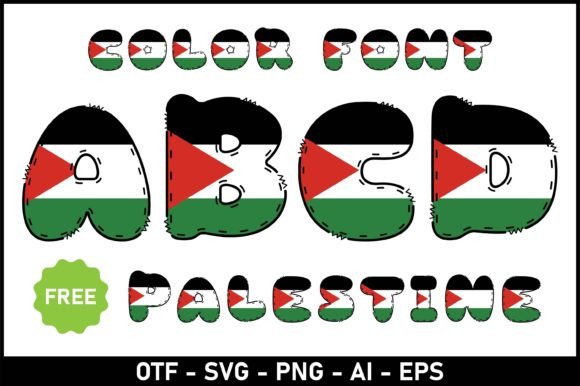
Integrating a characterful font like Palestine requires a strategic approach to maintain visual hierarchy and professionalism. First, always consider readability—reserve it for large display text or short phrases, not lengthy paragraphs. Second, evaluate its compatibility with your existing design systems and software. As noted, color fonts have specific program requirements; always verify technical specifications for your design workflow, whether using Adobe Creative Suite or cutting machine software like Cricut for physical applications.
When building a color palette, choose hues that complement the font's inherent style. Earthy tones, deep jewel colors, or muted pastels often work well. Finally, use it with purpose and consistency. Overusing a distinctive font can dilute its impact. By applying it consistently across key brand touchpoints, you reinforce recognition and build a cohesive visual narrative that resonates with your target audience.
Ultimately, the thoughtful selection and application of design assets like the Palestine font are what separate generic projects from compelling visual stories. By aligning typography with your brand's voice and the practical demands of your medium, you enhance not only the aesthetic appeal but also the clarity and effectiveness of your communication, ensuring your creative projects achieve both beauty and purpose.